
The realm of aviation is a captivating tapestry woven from the threads of human ingenuity, courage, and the relentless pursuit of progress. The journey of flight legends—those exceptional individuals who have made indelible marks on the history of aviation—is as unpredictable as the skies they navigate. This study report delves into the lives and careers of several flight legends, exploring the myriad challenges they faced, the triumphs they achieved, and the lessons their journeys impart to future generations of aviators.
The Pioneers of Flight
The story of aviation begins with the Wright brothers, Orville and Wilbur, whose relentless experimentation culminated in the first powered flight on December 17, 1903. Their journey was fraught with setbacks, including numerous crashes and failures, yet their unwavering determination and innovative spirit laid the groundwork for modern aviation. The unpredictable nature of their journey is emblematic of the broader challenges faced by early aviators, who often operated without the benefit of advanced technology or safety regulations.
The Golden Age of Aviation
As aviation technology advanced, the 1920s and 1930s ushered in the Golden Age of Aviation, marked by daring aviators like Charles Lindbergh and Amelia Earhart. Lindbergh’s historic solo transatlantic flight in 1927 not only captured the world’s imagination but also showcased the potential of long-distance flight. However, his journey was not without peril; he faced treacherous weather conditions, mechanical failures, and the psychological toll of isolation.
Amelia Earhart, another iconic figure, broke barriers for women in aviation. Her ambition to fly across the Atlantic Ocean and her subsequent disappearance in 1937 exemplify the unpredictable nature of flight. Earhart’s legacy endures as a symbol of courage and determination, inspiring countless individuals to pursue their dreams despite the inherent risks.
The War Years
World War II marked a significant turning point in aviation history, with legends like Chuck Yeager and Jimmy Doolittle emerging as key figures. Yeager’s groundbreaking supersonic flight in the Bell X-1 in 1947 pushed the boundaries of what was thought possible. His journey was characterized by a series of challenges, including the need for innovative engineering solutions and the psychological pressure of testing uncharted territories.
Doolittle, known for his daring raid on Tokyo in 1942, faced the unpredictability of combat aviation. His mission, which involved launching bombers from an aircraft carrier, was fraught with uncertainty and danger. The success of the raid boosted American morale and showcased the adaptability and resilience of military aviators during wartime.
The Space Age and Beyond
The advent of the Space Age brought forth a new generation of flight legends, including Yuri Gagarin and Neil Armstrong. Gagarin’s historic journey as the first human in space in 1961 was a monumental achievement, yet it was also a testament to the unpredictable nature of space travel. His flight was a culmination of years of research and development, but it also highlighted the risks involved in venturing beyond Earth’s atmosphere.
Neil Armstrong’s iconic moon landing in 1969 further exemplified the unpredictability of flight. The Apollo 11 mission was fraught with technical challenges, including the need for precise navigation and landing in an unfamiliar environment. Armstrong’s calm demeanor in the face of adversity and uncertainty became a defining moment in human history, illustrating the triumph of human spirit and ingenuity.
The Modern Era of Aviation
In the contemporary era, flight legends continue to emerge, with individuals like Chesley “Sully” Sullenberger and Bertrand Piccard capturing public attention. Sullenberger’s emergency landing of US Airways Flight 1549 on the Hudson River in 2009 is a remarkable example of quick thinking and exceptional piloting skills. His journey from a routine flight to an emergency landing underscores the unpredictability of aviation and the importance of training and preparedness.
Bertrand Piccard, a Swiss psychiatrist and adventurer, is known for his efforts in promoting renewable energy through aviation. His successful circumnavigation of the globe in the solar-powered aircraft Solar Impulse 2 exemplifies the fusion of innovation and environmental consciousness in modern aviation. Piccard’s journey reflects a commitment to sustainability and the unpredictable challenges of pioneering new technologies in flight.
The Lessons Learned
The journeys of these flight legends impart valuable lessons for aspiring aviators and the aviation industry as a whole. Firstly, perseverance in the face of adversity is crucial. Many of these individuals faced numerous failures before achieving their groundbreaking successes. Their stories remind us that setbacks are often stepping stones to greater accomplishments.
Secondly, the importance of adaptability cannot be overstated. The unpredictable nature of flight requires aviators to think critically and respond to changing circumstances. This adaptability is essential not only in emergency situations but also in the pursuit of innovation and progress within the aviation industry.
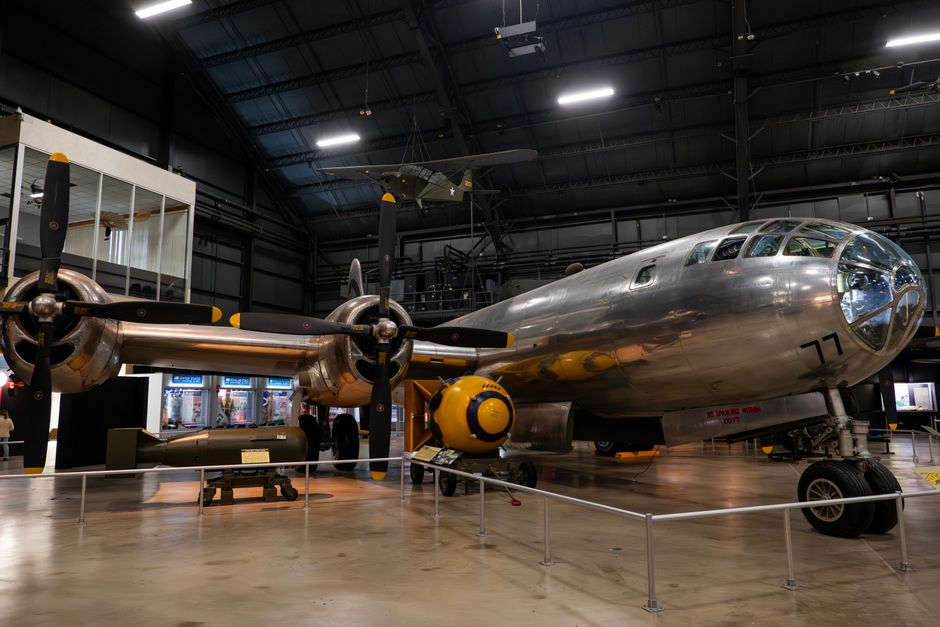
Finally, the legacy of flight legends underscores the significance of collaboration and teamwork. Many of the achievements in aviation were made possible through the collective efforts of engineers, scientists, and support staff working together towards a common goal. This spirit of collaboration is vital for overcoming the challenges that lie ahead in the ever-evolving field of aviation.
Conclusion
From the Wright brothers’ first powered flight to the modern feats of aviation legends, the journey of flight is marked by unpredictability, resilience, and innovation. The stories of these remarkable individuals serve as a testament to the human spirit’s capacity to overcome challenges and reach for the skies. As we look to the future of aviation, the lessons learned from these legends will continue to inspire and guide the next generation of aviators, ensuring that the journey from takeoff to landing remains as exhilarating and transformative as ever.