
Debunking common gambling myths What you really need to know
The Gambler’s Fallacy: Luck and Probability
One of the most prevalent myths in the gambling community is the gambler’s fallacy, which suggests that past events influence future outcomes in random games. For example, many believe that if a particular number hasn’t come up in a while, it’s “due” to appear. However, games of chance like roulette or slot machines are based on independent events, meaning each spin or roll is unaffected by previous results. Understanding this fallacy is crucial, especially for those looking to recover from gambling addiction, as it can often lead to a pursuit of luck or even temptations like the knightslots no deposit bonus.
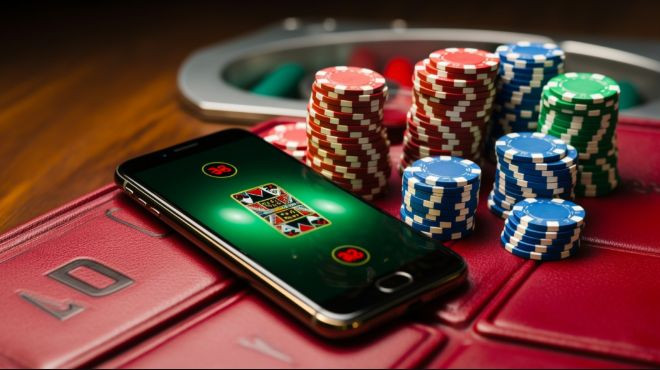
Understanding this fallacy is crucial, especially for those looking to recover from gambling addiction. It can lead to irrational betting patterns and financial losses, making it essential to separate luck from probability when placing bets. Recognizing that each game is a standalone event can foster a healthier mindset towards gambling.
The Illusion of Control: Skill vs. Chance
Another common myth is that skill can significantly influence outcomes in games of chance, such as slots or roulette. While some games, like poker, require skill and strategy, many gambling activities are purely based on luck. Believing that you can consistently win by applying skill in random games may lead to overconfidence and poor decision-making.
This myth can be particularly damaging for individuals trying to overcome gambling issues, as it creates unrealistic expectations. Acknowledging the role of chance in gambling can help individuals make more informed choices, reducing the urge to chase losses in futile attempts to control outcomes.
High Rollers Always Win: The Rich Get Richer
It’s a common misconception that high rollers are always successful in gambling. While they might experience significant wins, they also face the risk of substantial losses. The allure of the high roller lifestyle can create a false narrative that big bets guarantee big returns, leading many to believe that gambling success is directly correlated with the amount wagered.
For those recovering from gambling addiction, this myth can be particularly harmful. It may encourage reckless behavior, as individuals might feel pressured to wager more than they can afford to achieve a similar lifestyle. Understanding that success in gambling is not dependent on the size of the bets can contribute to healthier gambling habits.
The “Lucky” Charm Myth: Superstitions in Gambling
Many gamblers rely on superstitions and lucky charms to influence their success. From wearing specific clothing to carrying tokens believed to bring good luck, these practices are widespread. However, there is no scientific evidence supporting the idea that these rituals impact the outcome of games.
This reliance on superstition can complicate recovery from gambling addiction, as individuals may become fixated on rituals rather than focusing on informed decision-making. Recognizing that luck cannot be influenced by charms can help in developing a more rational approach to gambling.

Your Path to Recovery: Understanding Gambling Myths
Our website is dedicated to demystifying gambling and providing valuable resources for those affected by gambling addiction. By educating yourself about common myths, you can develop a more balanced perspective on gambling, whether you’re an occasional player or someone in recovery.
We offer insights, support, and tools designed to assist individuals in navigating their gambling journeys. Understanding the realities behind gambling myths is the first step towards making informed choices and fostering a healthier relationship with games of chance.