

In 20P Roulette, understanding the RTP (RTP) rate is crucial for enhancing your gambling experience. RTP serves as a cornerstone by measuring the percentage of your total wagers that you should theoretically recover over time. With higher RTP values, your potential winnings rise, enabling more tactical bets. Are you ready to explore how these percentages not only affect your winnings but also alter your overall roulette strategy? 20proulette.uk
Key Takeaways
- RTP in 20P Roulette indicates expected money returned over long periods, not assured short-term outcomes.
- A higher RTP percentage signifies better long-term returns for the player in 20P Roulette.
- Understanding RTP enables strategic betting, aligning choices with potential long-term gains.
- Knowledge of RTP assists differentiate roulette variations to choose ones with advantageous odds.
- RTP awareness enables players to make educated decisions, improving potential winning strategies.
Understanding Return to Player (RTP) in Roulette
In roulette, the term “Return to Player” (RTP) serves as a key indicator of a game’s payment potential. Understanding RTP allows you to assess expected profitability.
It’s calculated by assessing the total amount returned to players over time, usually expressed as a percentage. For instance, an RTP of 94% suggests that for every £100 wagered, £94 is returned to players as a group, matching with average player expectations.
As you evaluate 20P Roulette, grasping RTP Calculation is crucial for making informed decisions. It’s an analytical tool, providing understanding into potential returns and betting outcomes.
Your comprehension of RTP guides tactical planning, transforming your experience from mere chance to educated gameplay. Be mindful, RTP shows statistical averages, not guaranteed individual results.
The Importance of RTP in 20P Roulette
Analyzing the RTP in 20P Roulette is vital for educated gameplay. Comprehending the RTP significance is critical for anyone pursuing a calculated edge.
RTP, or Return to Player, denotes the percentage of staked money that you can expect to win back over time. In 20P Roulette, RTP calculations are uncomplicated but fundamental. You want to identify how each bet affects the overall house edge and potential returns.
By exactly computing these figures, you obtain comprehension into the financial underpinnings of the game, permitting knowledgeable decisions. This knowledge releases you from the uncertainty of chance, providing you control over your playing experience.
With keen knowledge of RTP metrics, you’re well-prepared to traverse roulette’s unpredictable waters with confidence and precision.
How RTP Influences Your Roulette Strategy
Although roulette often seems like a game of pure chance, grasping how RTP impacts your strategy can enhance your approach significantly.
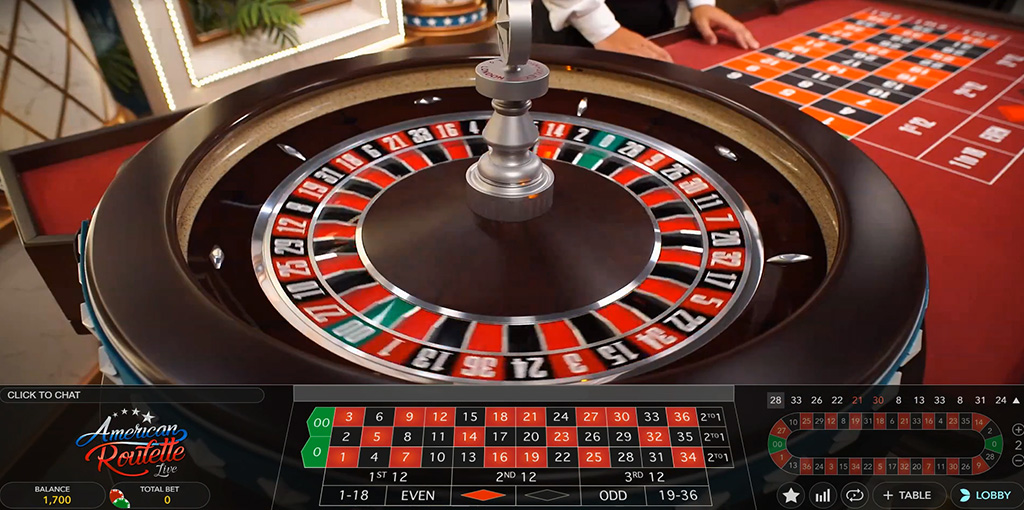
By recognizing RTP influence, you’re better positioned to make educated decisions, customizing your strategy based on anticipated returns. Examine the specific RTP rate of 20P Roulette, acknowledging its statistical probabilities.
This understanding enables for deliberate strategy modification, securing you boost potential profits. Adjusting your strategy doesn’t indicate a certain win but equips you with a better insight of risk.
Stay consistent, acknowledging that high RTP implies a more beneficial outcome over time. This calculated understanding fosters both smarter betting and a sense of freedom, as your decisions become motivated by knowledge rather than randomness.
Stay informed, empowered, and robust.
Comparing RTP Rates in Different Roulette Types
When evaluating RTP rates in various roulette types, understanding their distinct structures assists explain why they offer different returns.
European Roulette, with its solitary zero, usually features an RTP of 97.3%, delivering a greater return in comparison to American Roulette’s 94.74%, which has a double zero.
French Roulette offers comparable mechanics to the European type but commonly includes an additional advantage with the “La Partage” rule, marginally enhancing the RTP for even-money bets.
Then there’s Mini Roulette, a type with fewer numbers, resulting in an RTP inferior than its wider counterparts.
By understanding these components, you enable yourself to formulate informed decisions about which variant matches with your planned goals.
It’s all about finding the structure that unleashes your profits potential.
Maximizing Your Winnings Through RTP Awareness
Having a thorough awareness of Return to Player (RTP) rates permits you to methodically maximize your gains in roulette. By comprehending RTP, you can customize gambling strategies to improve outcomes.
Selecting games with higher RTP percentages improves your prolonged chances of regaining and profit. In this way, you’re adopting a more practical approach, rooted in reliable metrics as opposed to mere chance.
Knowing the cognitive aspects of gambling assists too. Your view of risk and reward influences decision-making, arming you to resist impulsive bets. This awareness fosters a steady, unrestricted gaming stance, mitigating losses while increasing gains.
Finally, aligning your strategies with RTP knowledge alters your roulette experience from unpredictable to calculated, boosting prospects without diminishing the thrill of play.